

Nature lovers can enjoy walks in the high mountains of the Andes, the Yungas Rainforest, or the Andean highlands, all of which are home to unique species such as the Andean condor, jaguars, vicuñas, rheas, flamingos, and the tiny dwarf hummingbird.
It was created to promote the ecological restoration of the foothill forest environment. This 36,734-hectare reserve is located in the municipality of Aguaray.
Home to forest species such as palo blanco, palo amarillo, cebil, nogal criollo, and cedar, its natural landscape is completed by the presence of jaguars, tapirs, peccaries, capuchin monkeys, coatis, and Yungas squirrels.
Birdwatchers will find the green macaw, solitary eagle, and royal eagle here.
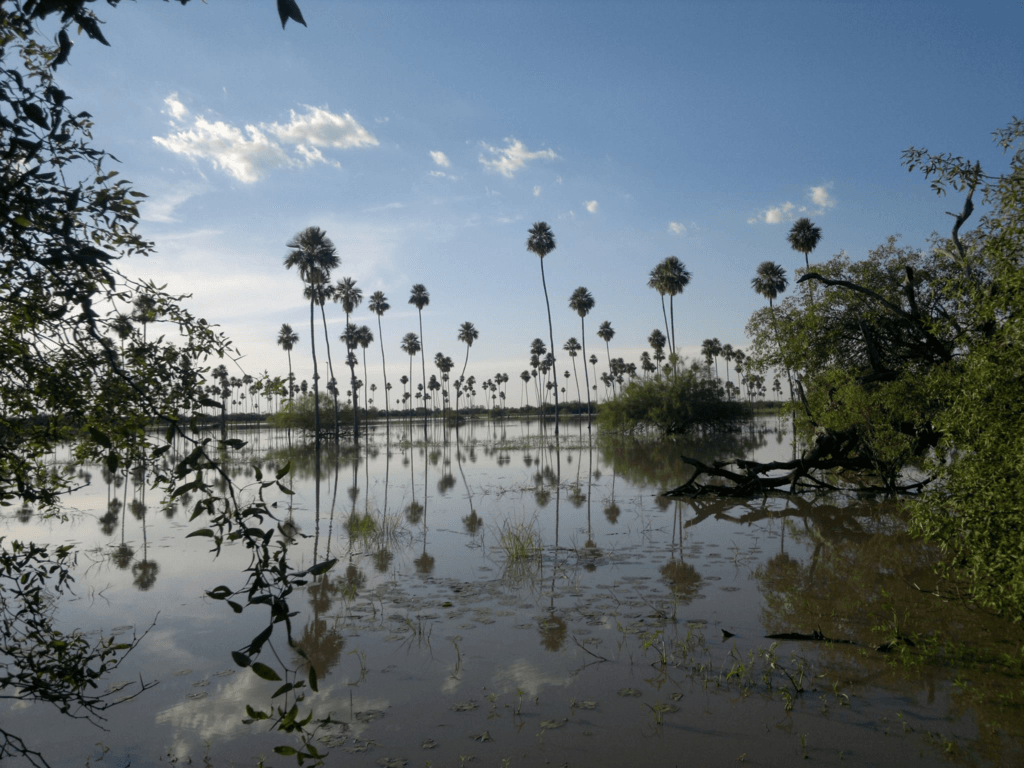
Located in Apolinario Saravia (Anta department), this 10,000-hectare reserve preserves a representative sample of the Dry Chaco with a sparse community of native palm trees (white palm). Added to these are palo santo, quebracho colorado, guayacán, chañar, and mistol.
As for native fauna, three species of peccaries, anteaters, brown brocket deer, and vizcachas can be observed. Also suris, charatas, talking parrots, chajas, jabirus, mountain guans, sirirí ducks, picazo ducks, and cutirí ducks.
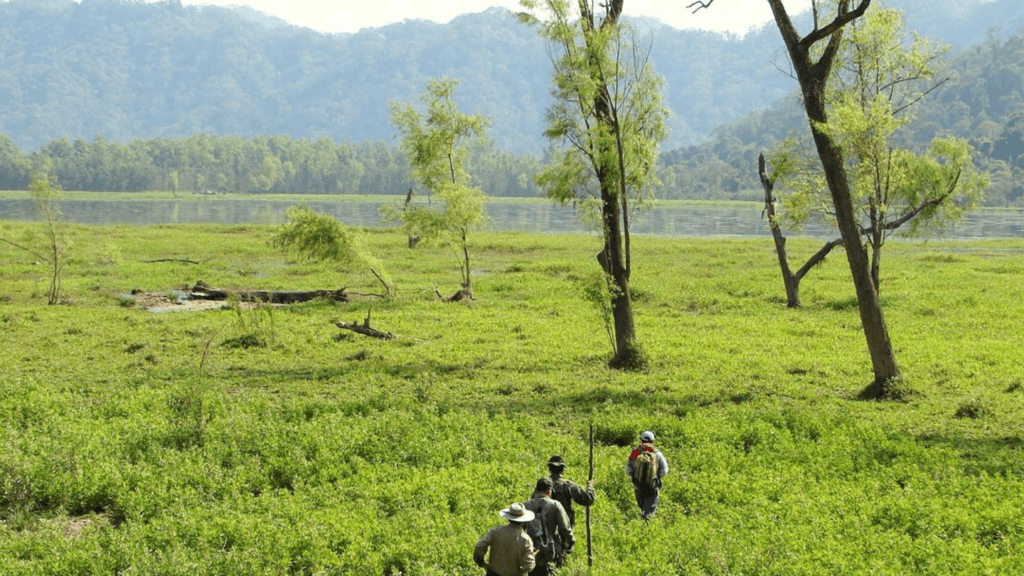
Home to the country’s largest yunga lagoon, the Provincial Park preserves a sample of foothill forest on its 13,000 hectares.
Species such as jaguars, pumas, ocelots, tapirs, capybaras, red agoutis, red brocket deer, mayuatos, howler monkeys, and spectacled caimans live there. Also birds such as the pomay eagle, alisero parrot, surucuá aurora, yapú, burgo, jabiru, aninga, and royal duck.
Among the flora, the yellow stick, urundel, maroma, and white laurel stand out.
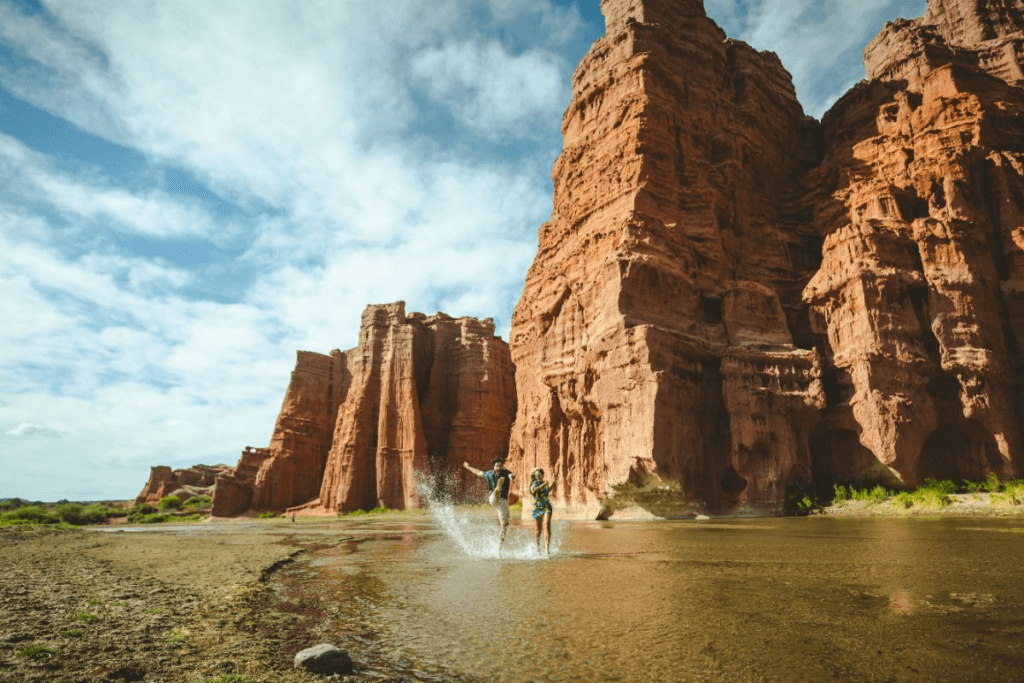
With an approximate area of 25,874 hectares, the Reserve extends across the municipalities of La Viña, Guachipas, and Cafayate.
A must-see for hiking and photography enthusiasts, this protected area is home to species such as horco quebracho, guayacán, white quebracho, molle, cacti, and two species of cardones.
Its fauna includes guanacos, pumas, collared peccaries, and corzuelas, and among the birds, the condor and the burrowing parrot stand out.
Created to preserve the Yungas forests and an important source of drinking water, the Reserve is located in the municipality of San Lorenzo and covers an area of 10,500 hectares.
Here you can find skirt laurel, Creole walnut, Salta cedar, alders, and mountain pine.
On the other hand, the local fauna consists of pumas, collared peccaries, and corzuela deer. Also noteworthy are the mountain guan, Andean condor, comet hummingbird, and woodpeckers.
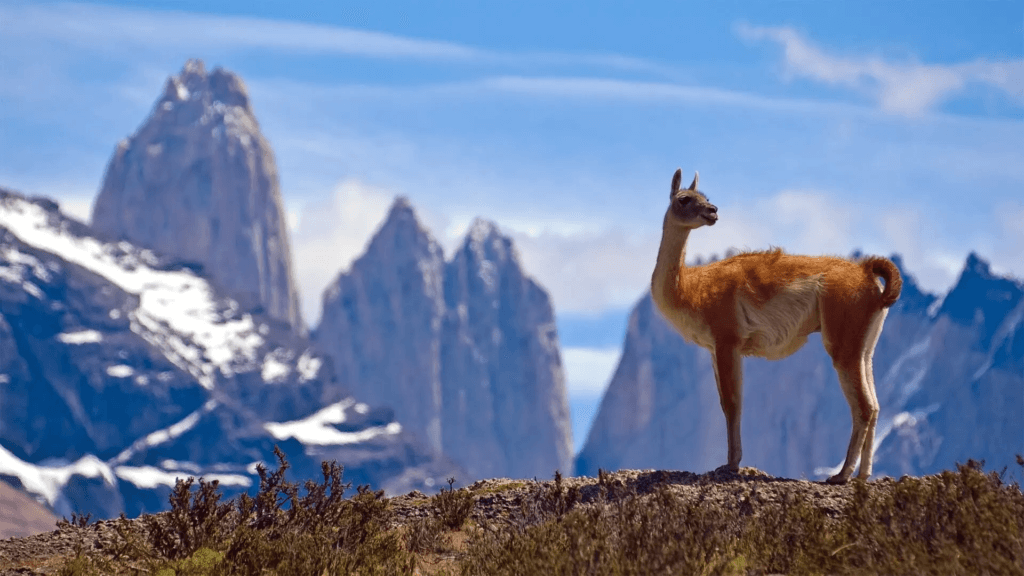
Created in 1980 by Provincial Decree No. 308, the Reserve comprises two ecoregions: Puna and Altoandina. Its 1,440,000 hectares are home to the Llullaillaco volcano, where the Llullaillaco children were found in 1999.
In addition to its protectionist purpose, the reserve is a space dedicated to scientific research. Here, studies are conducted focused on the design and application of practices and sustainable management of the resources present in the area.
Noteworthy species found here include vicuñas, Andean cats, greater flamingos, small and large parinas, horned coots, and guayatá birds.
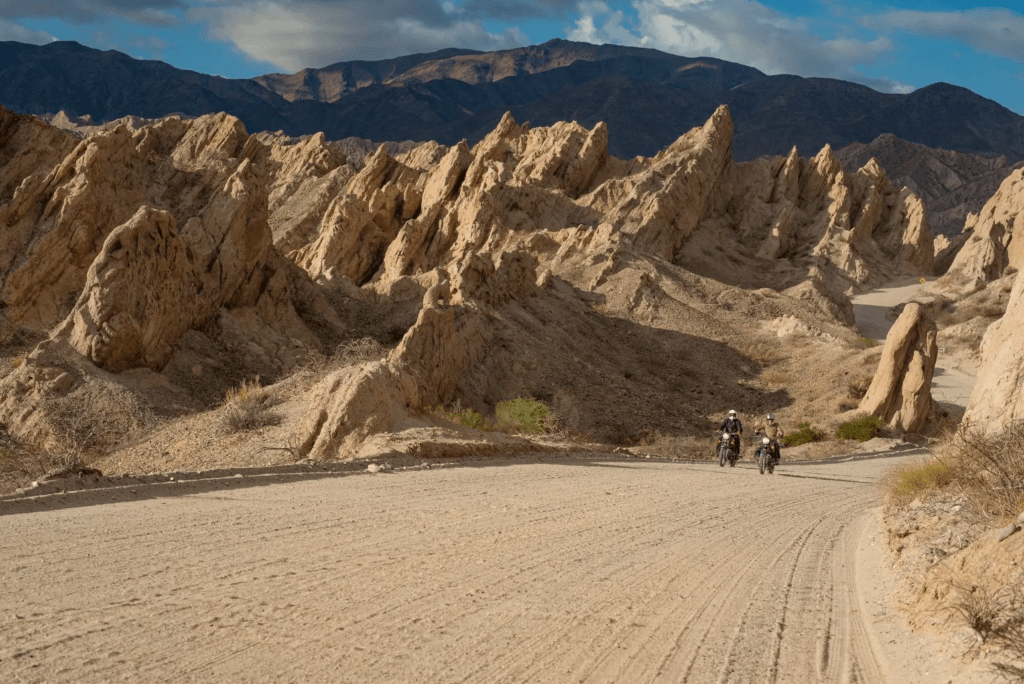
A must-see for anyone visiting Salta and traveling along Route 40, the monument protects the Quebrada de las Flechas gorge across its 1,200 hectares.
The ecoregions present in this area are mountain and prepuna, where flora such as white and black carob, brea, jarilla, molle, and creeping cacti abound.
Some of the mammals that inhabit it are the big-eared bat, the small cuis, and the small gray fox.
Your journey is special, Book in advance!
Visitsalta.ar

