

The first inhabitants of the region were the Diaguita and Omaguaca indigenous peoples, including the pulares, guachipas, yavis, and tolombones. The influence of these peoples continues to this day.
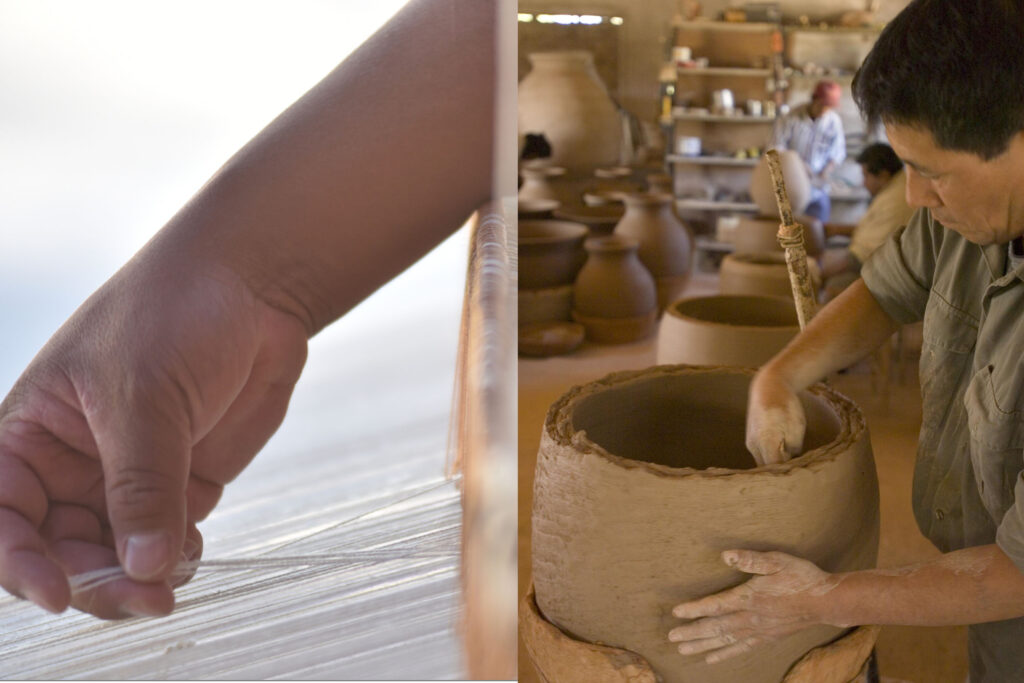
Toward the By 1000 BC, the Diaguita-Calchaquí had settled in the area, one of the most important cultures, which was primarily located in the Calchaquí Valleys in northwestern Argentina. Its characteristics can be seen in its pottery, textiles, and handicrafts created using traditional techniques.
In the 15th century, one of the most important peoples originating from the Andes settled in the high valleys and the Puna, was conquered by the Incas and became one of the four regions into which the empire was divided. Inca influence left its mark in various ways.
This region is home to Inca trails in the form of winding cobblestone paths, which were part of a vast network connecting the entire empire. Many of them lead to shrines located on the high peaks of the Andes and wind through landscapes of great beauty.
In March 1999, there was one of the most significant discoveries in the field of high-altitude archaeology: the discovery of three children from the Inca civilization, along with more than a hundred various objects, at the summit of the Llullaillaco volcano. This is an important and notable “High-Altitude Sanctuary” where a ritual known as “Capacocha” was performed to honor the gods.
Today the “Children of Llullaillaco” are preserved and on display to the public at the Museum of High-Mountain Archaeology. There, visitors are taken on a 500-year journey to see and understand a culture that remains alive to this day.
In fact, currently in the Chaco Salteño region Communities of the Wichi, Tapieté, Chorote Chulupí, and Toba peoples live there.
In the 16th century, Spanish conquistadors arrived in these lands, and Hernando de Lerma, acting on the orders of Francisco Álvarez de Toledo, the viceroy of Peru, founded a settlement in the Salta Valley, which he named San Felipe de Lerma. It was April 16, 1582, That is how the province's current capital was founded.
The city's strategic location on the Camino Real, a major trade route between Peru and Buenos Aires, made it Here is a key hub for trade and communication during the colonial era.
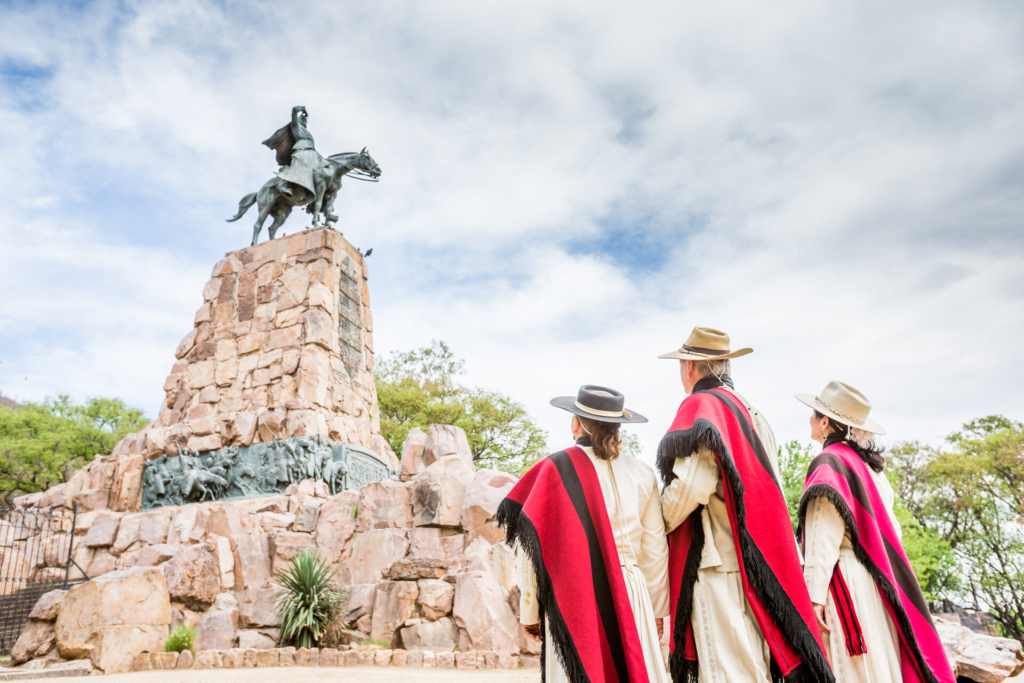
During the colonial period, Salta was the scene of significant historical events. In 1810, the May Revolution took place in Buenos Aires, marking the beginning of Argentina’s path to independence. Salta played a crucial role in the War of Independence, as it was the the scene of numerous battles and skirmishes against royalist forces.
One of the most significant events in the province's history is the Battle of Salta, which took place on February 20, 1813. Under the leadership of General Manuel Belgrano, the Argentine patriotic army defeated the Spanish royalist forcesThis consolidated independence in the region and paved the way for the liberation of the entire country.
By decree dated October 8, 1814, Supreme Director Gervasio Posadas created the Province of Salta by separating the Salta District from Tucumán, led by General Martín Miguel de Güemes.
The arrival of the railroad in 1880 spurred Salta's economic development, which connected it to other regions of Argentina. This made it possible to export the region’s agricultural and livestock products, such as tobacco, sugarcane, and beef.
In the 20th century, Salta became a popular tourist destination thanks to its stunning mountainous landscape, fertile valleys, and rich traditional culture. The city of Salta retains its colonial charm. Beautiful architectural landmarks, such as the Cathedral and the Cabildo, as well as museums, showcase the region's history and art.
Today, Salta is renowned both for its historical heritage and its natural beauty. Tourists flock to the province to enjoy its beautiful landscapes. In addition, the culture and traditions of the indigenous peoples are still evident in festivals, handicrafts, and traditional cuisine.
The history of the province of Salta is a testament to its spirit of progress; its cultural roots and natural wealth make it a unique place in Argentina and a must-see destination for those looking to explore history and experience its legacy.
Visitsalta.ar